
Humanoid deployments / Data centers
The next shiftin data center operations.
Supervised humanoid deployments for the data center floor.
Defined operating limits. Measured task performance.
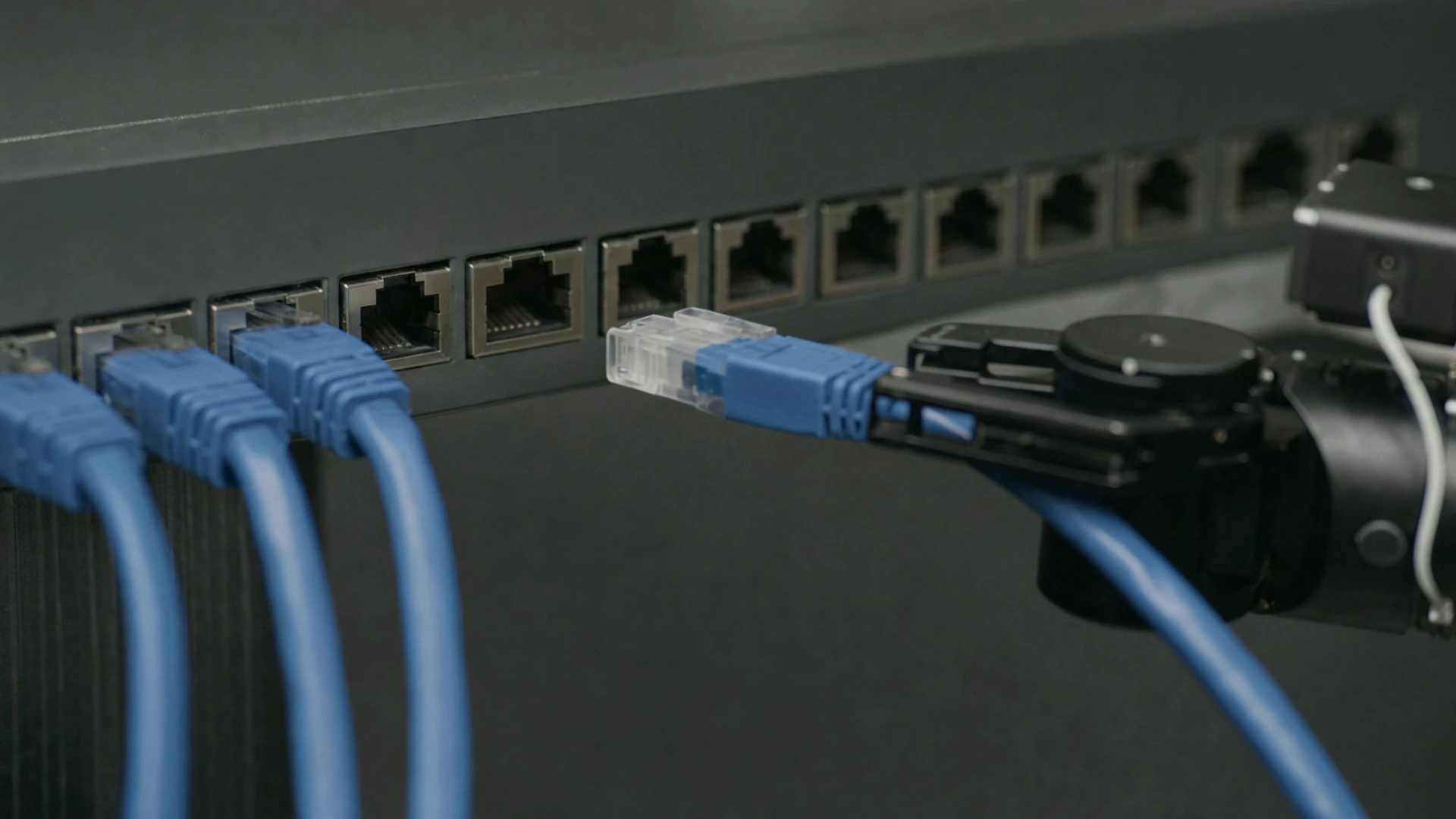
01 / Compute
Rack rounds.
Asset-level evidence.
Define the rack list and required observations before each inspection round.
- Observe
- Rack / U position, asset tag, serial number and visible status indicators.
- Record
- Timestamped images, read confidence, unread tags and site-reviewed exceptions.
- Qualify
- GPU tray alignment and insertion require a separate trial for the hardware, tooling and OEM procedure.

02 / Logistics
Parts runs.
Verified handoffs.
Measure the full request-to-rack interval on a site-approved delivery route.
- Dispatch
- Request ID, part number, pickup point, target rack and approved payload.
- Track
- Request receipt, acceptance, pickup and handoff timestamps, plus operator-control intervals.
- Accept
- Correct part and condition confirmed at the rack; retain failed runs and recovery time.
Field pilot / Measurement protocol
Nine operational measures.
Agree the task, denominator, operating window and acceptance threshold before the first run. These are proposed pilot definitions; measured results are not published here.
| Metric | Definition | Required reporting |
|---|---|---|
| 01Uptime / robot availability | Available robot hours ÷ scheduled robot hours. | Fix the readiness criteria and schedule before the trial. Break out charging, repair, software faults and network downtime within that window. This measures the robot, not facility uptime. |
| 02Round completion | Scheduled racks inspected with required evidence ÷ racks scheduled, per round. | Retain the scheduled rack list. Record completed, blocked and skipped racks with reason codes; a repeat visit does not add another completed rack. |
| 03Findings | Anomalies raised, confirmed by site staff, rejected as false positives, and pending review. | Attach rack/asset ID, timestamp and image evidence. Retain the site adjudicator and disposition. A raised alert is not a confirmed fault. |
| 04Audit accuracy | Exact asset-tag matches ÷ tags in a hand-checked sample. | Register the sample before scoring. Include unread and misread tags in the denominator; report each separately. Reconcile rack position and serial number where in scope. |
| 05Parts run time | Elapsed time from request receipt to verified part handoff at the target rack. | Include dispatch/acceptance delay, queue, pickup, transit and handoff time. Report p50/p95 for completed runs alongside outstanding, aborted and failed requests. |
| 06Intervention rate | Task attempts with an operator takeover ÷ all initiated attempts. | Keep aborted and failed attempts. Log takeover reason, control ownership and recovery outcome. Report planned manual steps separately from unplanned interventions. |
| 07Operator minutes per task | Total operator control minutes ÷ completed tasks. | Sum all operators, failed-attempt control time and recovery within the reporting window. This is a control-time cost driver; report passive supervision and reset labor separately. Zero completions means undefined, not zero. |
| 08Incidents | Equipment/person contacts, near misses, person-triggered stops and emergency stops. | Separate event categories and severity. Retain task, location, recovery and disposition, with operating hours and attempt counts as exposure. Review stops individually. |
| 09Network health | Robot ↔ operator RTT p50/p95/p99, jitter, packet loss, failovers and degraded-mode minutes. | Declare endpoints, probe cadence, sample count and jitter method. Report sent/lost probes separately from delivered-probe latency; tie outages and failovers to mission IDs. Set thresholds with the site. |
Site qualification / Acceptance sequence
Register the scope. Test against it.
- 01
Pre-register
Rack list, route, payload, access rules, operator authority and pass/fail criteria.
- 02
Run & log
Retain each attempt, takeover, stop, network outage and staff-adjudicated finding.
- 03
Review
Compare with the manual baseline. Accept, revise or hold scope using the agreed thresholds.